The Hidden Reason You Can’t Relax.
Struggling to relax even when nothing is wrong? Discover why your nervous system may stay in survival mode and how awareness can create real change.
You finally have time.
No urgent emails.
No deadlines.
Nothing demanding your attention.
Yet your body remains tight.
Your breathing stays shallow.
Your mind keeps scanning for what might be next.
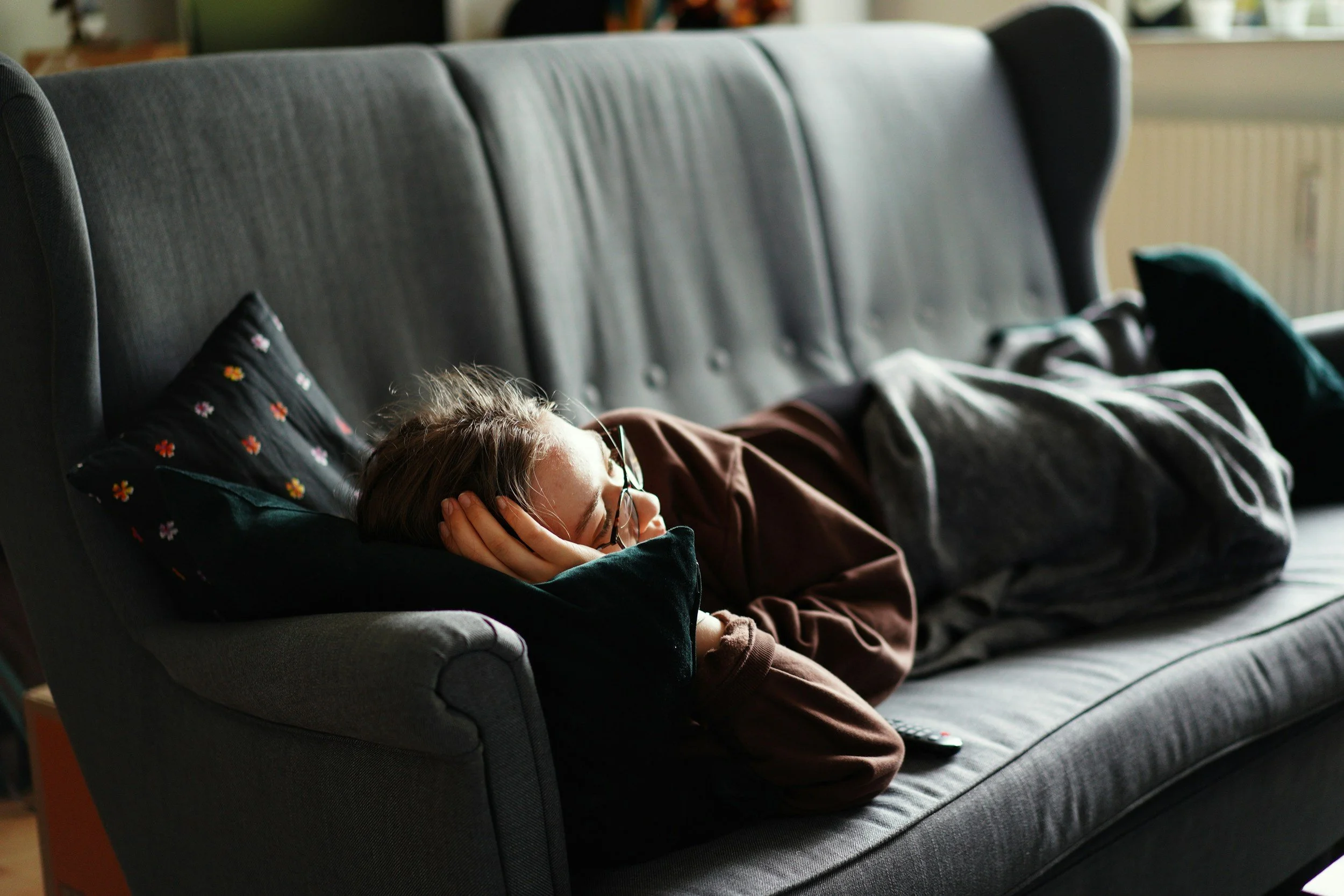
You try to relax, but something in you refuses. For many, this is one of the most frustrating signs of underlying stress.
If you recognize this experience, you are far from alone. Many people living with ongoing stress or chronic pressure notice that true relaxation feels strangely out of reach, even when the external situation seems calm.
There is a good chance nothing is wrong with you.
There may simply be a protective pattern running in the background, one your nervous system learned a long time ago in order to stay safe, responsible, or in control.

Relaxation is not controlled by willpower
Many people believe they should be able to relax the moment they decide to.
Sit down.
Turn off the phone.
Take a break.
But relaxation is not a switch in the mind. It is a response of the nervous system. And if your system has learned that staying alert is necessary, slowing down can feel uncomfortable, sometimes even threatening.

How the body learns to stay on guard?
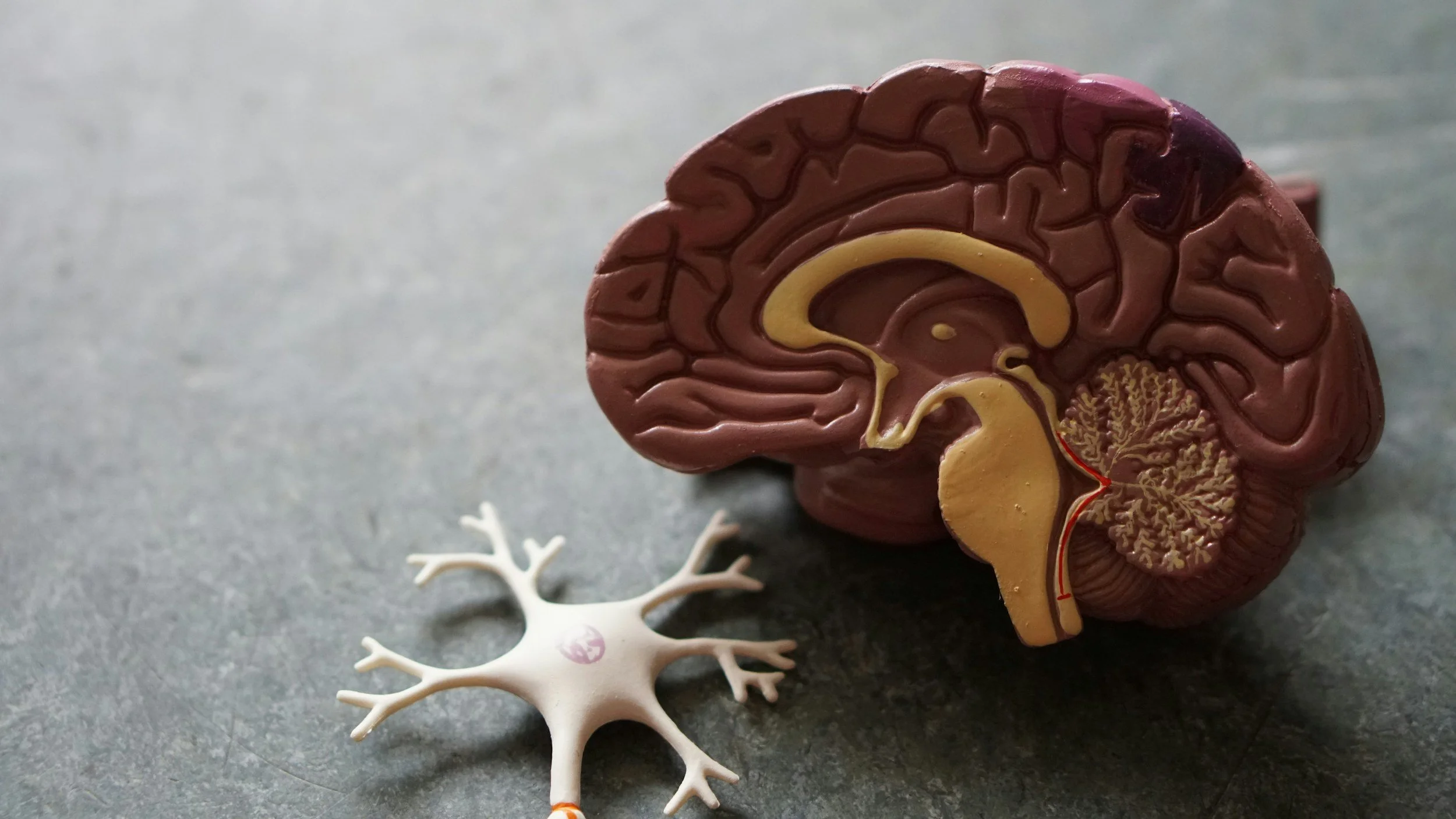
Long before you consciously think about stress, your nervous system has already learned how to respond to the world.Through repeated experiences, expectations, pressure, responsibility, the need to perform or adapt, the body becomes familiar with a state of readiness. Neuroscience often refers to this as chronic activation of the stress response.
Over time, this activation can become the baseline.
You may begin to:
stay mentally prepared for what could go wrong
anticipate the needs of others
carry responsibility automatically
remain productive to maintain a sense of worth
keep thinking ahead, even when nothing is required
From the outside, these qualities are frequently rewarded. They create reliability, competence, and success. But internally, the system receives a different message:
stay alert, stay engaged, don’t fully let go.
When this pattern repeats often enough, the nervous system adapts. What once was a temporary response becomes a familiar state.
So when rest finally becomes available, the body may hesitate.
Not because relaxation is impossible, but because sustained safety is unfamiliar.
What changes the relationship with rest?
Real rest rarely arrives because we force it. It becomes possible when the system begins to feel safe enough to soften. Safety may come from:
understanding what is happening internally
recognizing old patterns
being in environments where nothing is expected
In those moments, relaxation stops being something you must achieve, and becomes something that can naturally emerge.
Instead of asking:
“Why can’t I relax?”
you might begin to ask:
“What has my system learned about staying alert?”
That change in perspective often opens the door to compassion, and compassion reduces pressure.

Where guidance can make a difference
For many people, this shift toward compassion and understanding is difficult to create alone.
Patterns that have been active for years often remain invisible from the inside. We can think about them, analyze them, or try to outsmart them, yet still find ourselves returning to the same tension.
This is where guided environments can become valuable. Deyan Visser creates spaces where people are invited to slow down, observe themselves more honestly, and step out of the constant demand to perform or fix.
Not through pressure.
Not through motivation.
But through awareness.
Again and again, participants describe that something begins to settle, not because they tried harder, but because they no longer had to.